A detailed inspection is a full look over the vehicle: brakes, suspension, steering, tires, fluids, belts, hoses, lights, exhaust and a scan for stored codes. Useful before a used-car purchase, a long trip, or the annual state inspection. Call 704-842-9774.
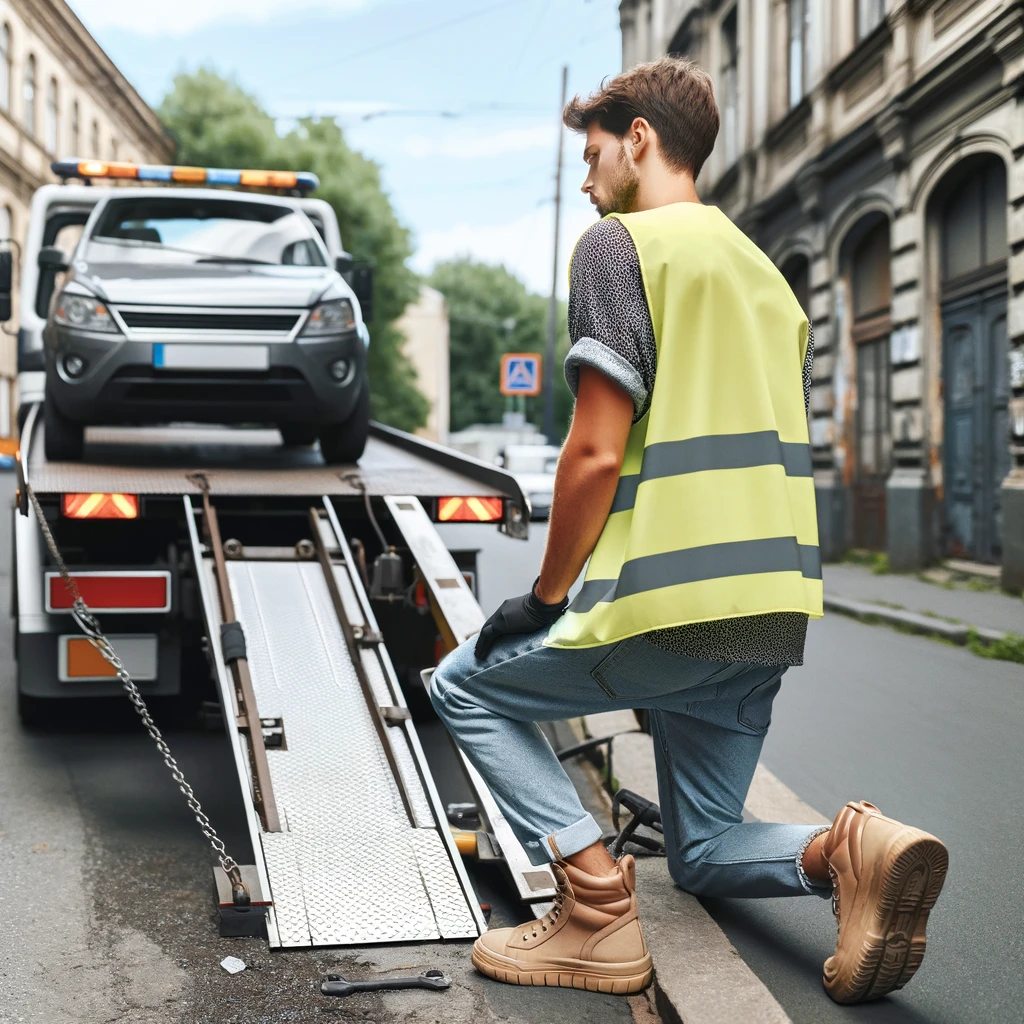
We come to the car, work through the whole vehicle, and give you a written list of what is fine, what is wearing and what needs attention.
Measurements, Not Adjectives
Pad thickness in millimetres, tire tread depth, fluid condition and battery test figures. Numbers you can act on.
Buying A Used Car?
Call 704-842-9774 before you hand money over. We inspect it where it is parked, including at a private seller's address.
We work through the vehicle systematically, scan for stored codes, road test where possible, then hand over a written report with everything we measured.
1
Tell us why you want it looked at. A pre-purchase check, a pre-trip check and a pre-inspection check each put the emphasis in a slightly different place.
2
Brakes, tires, suspension, steering, fluids, belts, hoses, battery and charging, lights, exhaust and the underside all get covered, with stored codes read from the modules.
3
You get the findings in writing, separated into what needs doing now, what to plan for, and what is simply worth knowing. No pressure attached to any of it.
North Carolina tests every registered vehicle once a year, so knowing what would fail before the test is worth far more than finding out afterwards.
The annual test gives this a hard deadline. North Carolina requires a safety inspection before you can renew a registration, and in Mecklenburg County an OBD emissions check runs alongside it, which means an illuminated check engine light fails the vehicle regardless of how well it drives. Checking beforehand gives you time to fix the cause and let the readiness monitors complete, rather than scrambling in the week the tags expire. A pre-purchase inspection is the other common reason people call. Charlotte’s stop-and-go traffic is hard on brakes, clutches and suspension bushings, so a car that looks tidy can still be carrying several hundred dollars of wear that only shows up with the wheels off the ground.
A useful inspection answers a specific question: what on this vehicle is worn, what is close to its limit, and what is genuinely fine. That means numbers rather than adjectives, so brake material gets measured, tire depth gets measured across the tread rather than at one point, fluid condition gets assessed and stored codes get read and written down with what they actually indicate.
Most of what a detailed check finds is not urgent, and saying which items can wait is as much a part of the job as flagging the ones that cannot. That is what makes it worth doing before a long trip, before buying a used vehicle, or when a car has changed hands within a family and nobody knows its history. You get the findings in a form you can act on at your own pace.
The inspection requests that come in most often around Charlotte, and what they usually turn up.
A pre-purchase check on a private sale. The common findings are brakes near their limit, suspension bushings gone soft and a check engine light that was cleared shortly before viewing, which the readiness monitors give away.
A check before the annual state inspection. Usually brakes, tires, a light out or a stored code. All fixable in advance, which is the entire point of looking early.
A check before a long drive. Tires, fluids, belts, hoses and battery. On a Charlotte car the battery is the one worth testing, because summer heat here does damage that only shows on the first cold morning.
Common questions about detailed inspections: what is covered, how long it takes, and whether it counts as the state inspection.
1
Cars, SUVs, light trucks and vans of all makes. Heavier trucks are handled through our truck repair service.
2
No. The official safety and emissions inspection must be done at a licensed station. Ours tells you what would fail so you can deal with it first.
3
Yes, with the seller’s permission, wherever the vehicle is parked. We report to you directly and put every finding in writing.
4
Usually around an hour, longer if a road test or a deeper look at something we find is warranted. You get the written report before we leave.