
Brake trouble shows up as a squeal, a pulsing pedal, a pull to one side, or a stop that takes longer than it should. Charlotte driving is hard on brakes: stop-and-go on Independence Boulevard and the I-77 merge north of Remount Road puts far more heat cycles through a set of pads than open highway miles. Call 704-842-9774 and tell us what you hear.
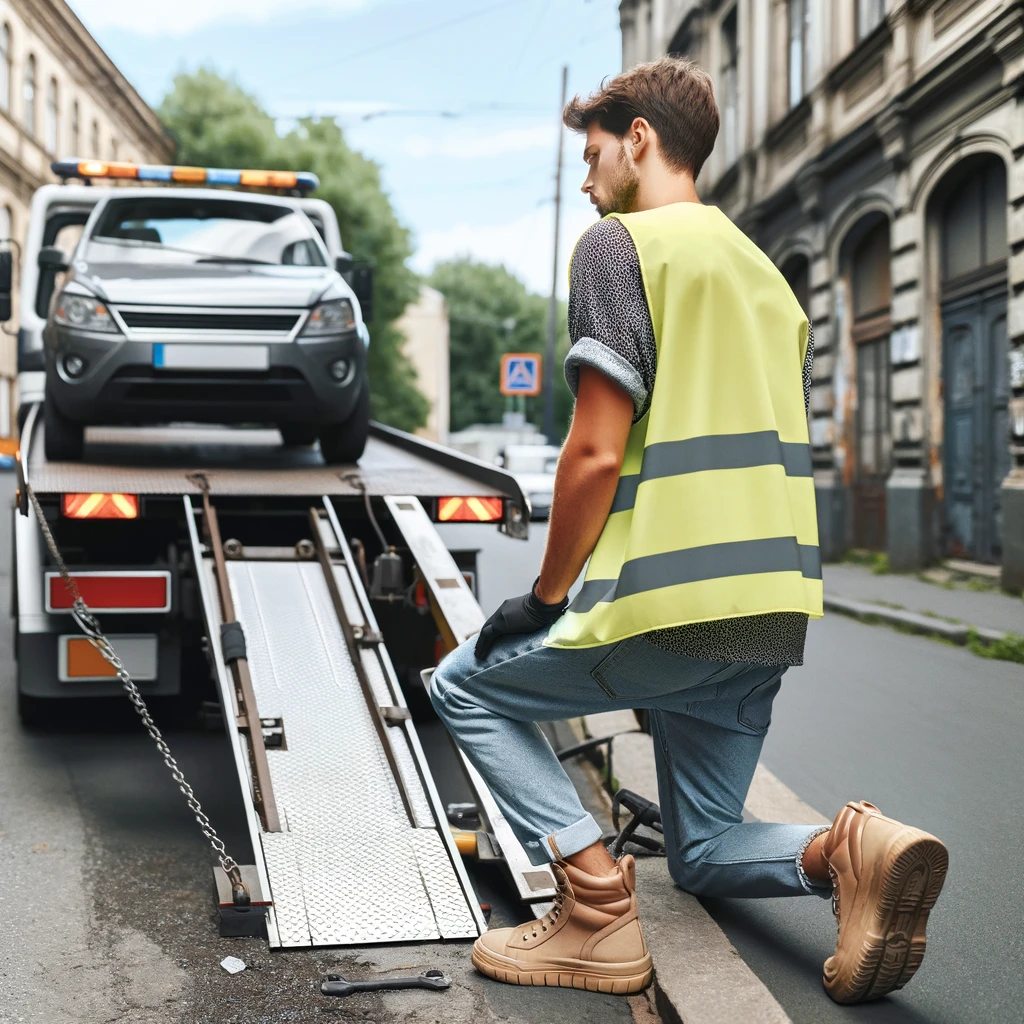
We bring the brake work to the vehicle, wherever it sits, in a driveway in Ballantyne, a parking lot in South End, or an office lot in University City.
Mobile Brake Service
We carry pads, rotors, fluid and the tools to finish the job on site, so a braking problem does not turn into a tow bill as well.
Tell Us The Symptom
Call 704-842-9774 and describe the noise and the pedal feel. Each one points somewhere different.
Three steps. You call and describe the symptom, we inspect and measure the system where the vehicle is parked and price the work, then we fit the parts and road test the car before we leave.
1
Give us the year, make and model, and what the brakes are doing. A squeal at low speed, a grind under firm braking and a pedal that pulses are three different faults, so the description narrows it down before we arrive.
2
We pull a wheel, measure pad thickness and rotor runout, check the fluid condition and look over the hoses and calipers. You get the measurements and the price before anything comes apart.
3
Once you approve the work we fit the parts, bleed the system if the fluid has taken on moisture, then bed the pads in on a road test before handing the keys back.
We come to the car instead of the car coming to us. On a brake job that means no tow, no waiting room, and no second trip across town to collect the vehicle.
Brakes are the one system where putting the job off gets expensive fast: a worn pad left alone starts cutting the rotor, and a cheap job becomes two parts instead of one. North Carolina also requires an annual safety inspection before you can renew a registration, and in Mecklenburg County that is carried out alongside an OBD emissions check. Brakes are part of the safety portion, so a fair share of our calls start with a failed inspection sheet. We read the sheet, fix what it flagged, and get the vehicle back for its retest.
Almost all brake work is bolt-off, measure, bolt-on, and none of it needs the vehicle lifted high. That is why a mobile brake shop covers nearly the whole job list where you are parked: pads, rotors, calipers, hoses, hardware and a fluid change, measured against the manufacturer figures rather than judged by eye. The exceptions are honest ones and get said up front, such as a seized line that has to come off under heat or a master cylinder on a vehicle that will not bleed properly on a driveway.
What catches most drivers out is that the noisy corner is often not the worn one. A seized caliper slide pin will chew one inner pad down to the backing plate while the other three look nearly new, and a swollen flexible hose can hold pressure on one wheel after the pedal is released. Replacing pads without finding that just wears the new set the same way within a few months, so the measurements come first and the parts list follows from them.
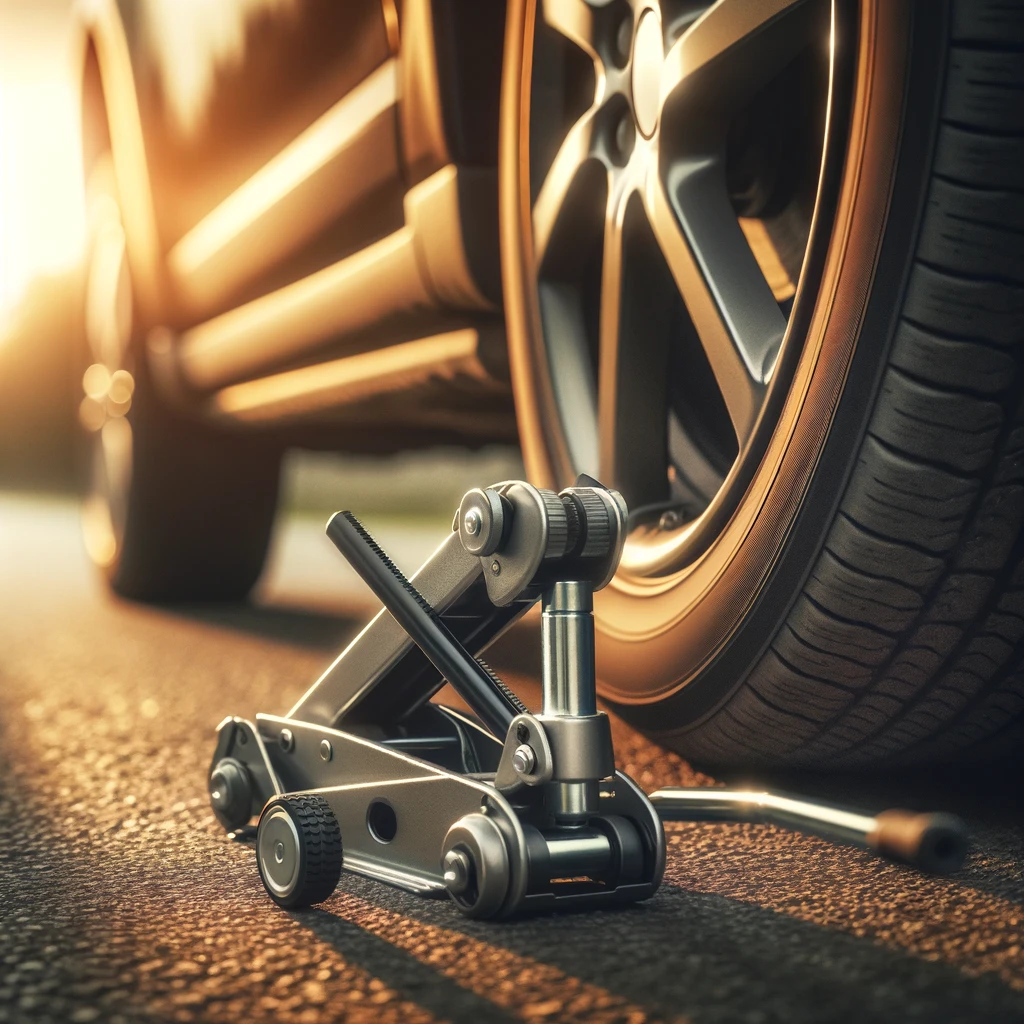
These are the brake calls that come in most often around Charlotte, and what each one usually turns out to be.
A squeal at low speed that quietens once the brakes warm up. Normally the wear indicator on the pad touching the rotor, which means the friction material is near the end of its usable thickness. Common on cars doing short Uptown commutes, where the brakes never get properly hot.
A pedal that pulses under the foot when you slow from speed. Usually uneven rotor thickness caused by heat, and it shows up worst braking down off I-77 or I-485. We measure runout with a dial gauge, then machine or replace depending on how much material is left.
A pedal that sinks slowly toward the floor while you wait at a light. That is a fluid or a seal problem rather than a pad problem, and it is the one symptom we tell people to stop driving on. We check the master cylinder, the lines and the calipers before we look at anything else.
Common brake questions from Charlotte customers: what the noises mean, what can be done on site, and how brakes affect the annual state inspection.
1
Cars, SUVs, light trucks and vans. Brake work on heavier trucks is handled through our truck repair service instead.
2
Call 704-842-9774 and describe the sound and the pedal feel. If the pedal is soft or sinking, stop driving the vehicle and say so on the call.
3
Yes. Brakes form part of the annual state safety inspection, which in Mecklenburg County is done alongside the OBD emissions check. Pads or rotors past their limit will fail the safety portion, and the vehicle needs a retest once the work is done.
4
Once a year alongside the state inspection suits most drivers. If your commute is stop-and-go on Independence Boulevard or around the I-277 loop, have them looked at sooner, because city miles are harder on pads than highway miles.